

For parents
From one word answers to real conversations
Feel closer to your child, and be less in the dark about their life
We’ve been there. You reach out, and your child shuts down. “Fine,” shrugs, and eye rolls start to feel like the new normal.
There are no magic words, but active listening can change more than you’d think. The better you listen, the more they share.
This isn’t a lecture. It’s a podcast-like guide: clear, warm, and full of practical tools you can use in real life.
How Active Listening helps
Rebuilds everyday closeness
You don’t need to be “fire” or have some special parenting trick to get close again. When your child feels heard in small moments, closeness starts to come back naturally.
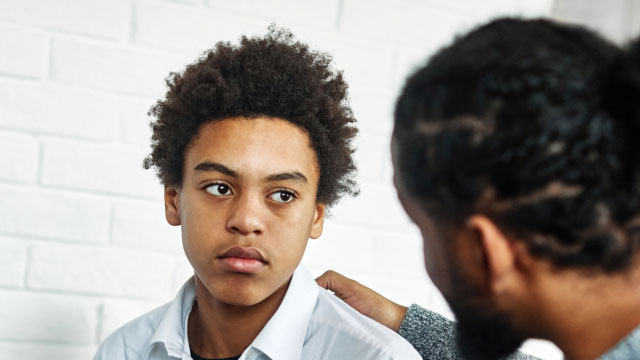




You worry less, understand more
Instead of guessing and overthinking, you start hearing more of what is actually going on with your child. That quiets the late night worry and helps you stay calm when the topic gets heavy.
Lowers the heat in hard talks
Those everyday topics can go from normal to shouting in seconds. Active listening helps you lower the temperature so you can hold the line and keep it respectful.






Be the person they turn to
You will learn ways of listening that make it easier for your child to come to you, rather than hide their feelings. Over time, you will become the source of help they turn to whenever life gets too heavy.
What you’ll learn
1
Choose low pressure moments
2
Ask better questions
3
Echo their feelings back
4
See it through their eyes
View topics
1. Our noisy world
Why connection can feel harder with tweens and teens today
2. What active listening really is
Active listening in plain language: what it is and what it isn’t
3. Pockets of presence
How to create moments that spark conversation
4. Beyond "How was your day"
Simple check-ins that actually work
5. Let it all out
Giving them the full floor
6. The feeling channel
Validation, mirroring, and other ways to hear what they really feel
7. Understanding their point of view
Clarifying, paraphrasing, and other tools to see their point of view
8. Clear limits, kind responses
Staying kind while staying firm
9. Recap
A short summary you can replay anytime
From the creators
We did not plan to make this guide
Before we chose to create an audio guide on active listening for parents, we sat around a table and talked. It started with everyday moments with our kids, the conversations that went well, and the ones that did not. Pretty quickly, it turned into stories. After a couple of rounds, we found ourselves going further back, remembering what it felt like to be a kid trying to be understood.
That’s when it clicked. Each of us could name moments, as parents, when we would have loved a guide like this. If we are being truly honest, many of us also wished our own parents had something like it when we were growing up. Not because they were bad, but because so few families are ever taught the skill of listening in a way that helps another person truly feel heard.
That is what pulled us into this project. We wanted to take listening seriously without making anyone the problem. No blaming parents. No blaming kids. Just a clear look at how relationships actually work, especially in the years from about nine to eighteen.
So much changes in those years. Kids become more private. Parents are still responsible, still trying to guide, still trying to protect. And the space between those two truths can fill up fast with tension, misunderstandings, and long quiet spells.
We see active listening as a foundation skill for this season because it changes what your child feels around you. It can lower defensiveness. It can reduce the pressure that makes kids shut down. And it can help a parent move from guesswork to understanding, bit by bit.
At SmallShift Parenting, we focus on small changes with a large impact. Active listening fits that philosophy almost perfectly. Often, the difference between a real conversation and a shutdown is not a big parenting speech. It is the first ten seconds. The tone you use. The question you choose. The way you reflect what you hear.
So we built the guide as a bridge between the classics and what parents are up against now. We returned to the original ideas behind active listening, including Carl Rogers, and then layered in more recent research and modern, real-world translation, so the skill actually works in today’s homes.
Because life is busy and loud. Attention is split across screens, schedules, and stress. Listening is harder for everyone. Families feel that tension in a unique way.
We did not want to make a lecture. Most parents do not need more theory, especially at the end of a long day. That is why this guide is built to feel more like a podcast: clear, warm, engaging, and honest, with examples that sound like real life.
Active listening is not therapy, and it will not magically fix everything overnight. It will not control what your child shares, or when. But it can change the tone of a room. It can change the depth of a conversation.
And that can be enough.
We made this because we have been there.
We hope it meets you there, too.
Sincerely,
SmallShift Parenting Team
What people are saying


Stronger talks
Deeper trust
$24
Use active listening to rebuild connection, reduce conflict, and feel more confident when conversations matter.
- 2 hour audio guide
- For parents of kids 9 to 18
- Practical, data-backed tools
- Listen online or download
- One-time purchase, keep forever
FAQ
How is this different from free podcasts or YouTube videos?
Free content can be helpful, but it is usually scattered. This guide is focused, and built as one clear path: what to do, what to say, and how to practice it in real family moments. It goes deeper, stays practical, and is crafted with care. It feels more like a podcast you want to finish, not a lecture you abandon.
Is this a one-time purchase or a subscription?
This is a one-time purchase. Right after checkout, you will be taken to a page where you can download the MP3 or listen online. You will also get an email with the same download link and online listening access.
Can I listen on my phone?
Yes. You can either download the MP3 files to your phone or stream the guide online. MP3 is widely supported, so you can play it on virtually any phone or computer. Many parents listen in short chunks during walks, commutes, or evening resets.
Who created this guide?
This guide was created by SmallShift Parenting, a small studio at the intersection of learning and storytelling for parents. We focus on small changes that create a big impact, and we turn research-informed ideas into tools you can actually use at home.
What if my child refuses help or refuses to talk?
This guide is designed for exactly that situation: when your child is not eager to talk and you don’t want to push them further away. At the same time, if you ever notice urgent warning signs, such as your child withdrawing from everyone, suddenly abandoning things they used to enjoy, talking about self-harm, or saying they do not want to be here, it is important to reach out for professional support right away.
Just remember, most eye rolls, closed doors, and short answers are a normal part of growing independence. This guide helps you stay connected through that shift.
Why aren’t you on platforms like Audible?
Instead of a large platform keeping up to 75% of your payment, more of what you spend goes straight into the work itself. When you buy directly, you also don’t need to rent access through an app.
Do you offer refunds?
Yes. If you are a consumer, you can request a refund or cancellation within 14 days from the day after purchase, unless an exception applies. Because this is digital content with immediate access, the right to cancel may no longer apply once you start downloading, streaming, or otherwise accessing the content. Please read our Refund Policy.